accessible computing
How Kabakoo delivers AI feedback through WhatsApp
Kabakoo’s October 2023 WhatsApp AI-feedback update was associated with a greater than 70% month-over-month increase in learner engagement. Its approach connects assignment responses, personalised feedback and engagement tracking.
Start with a defined learning task
In October 2023, Kabakoo’s personalised AI-feedback update on WhatsApp was associated with a greater than 70% month-over-month increase in learner engagement.
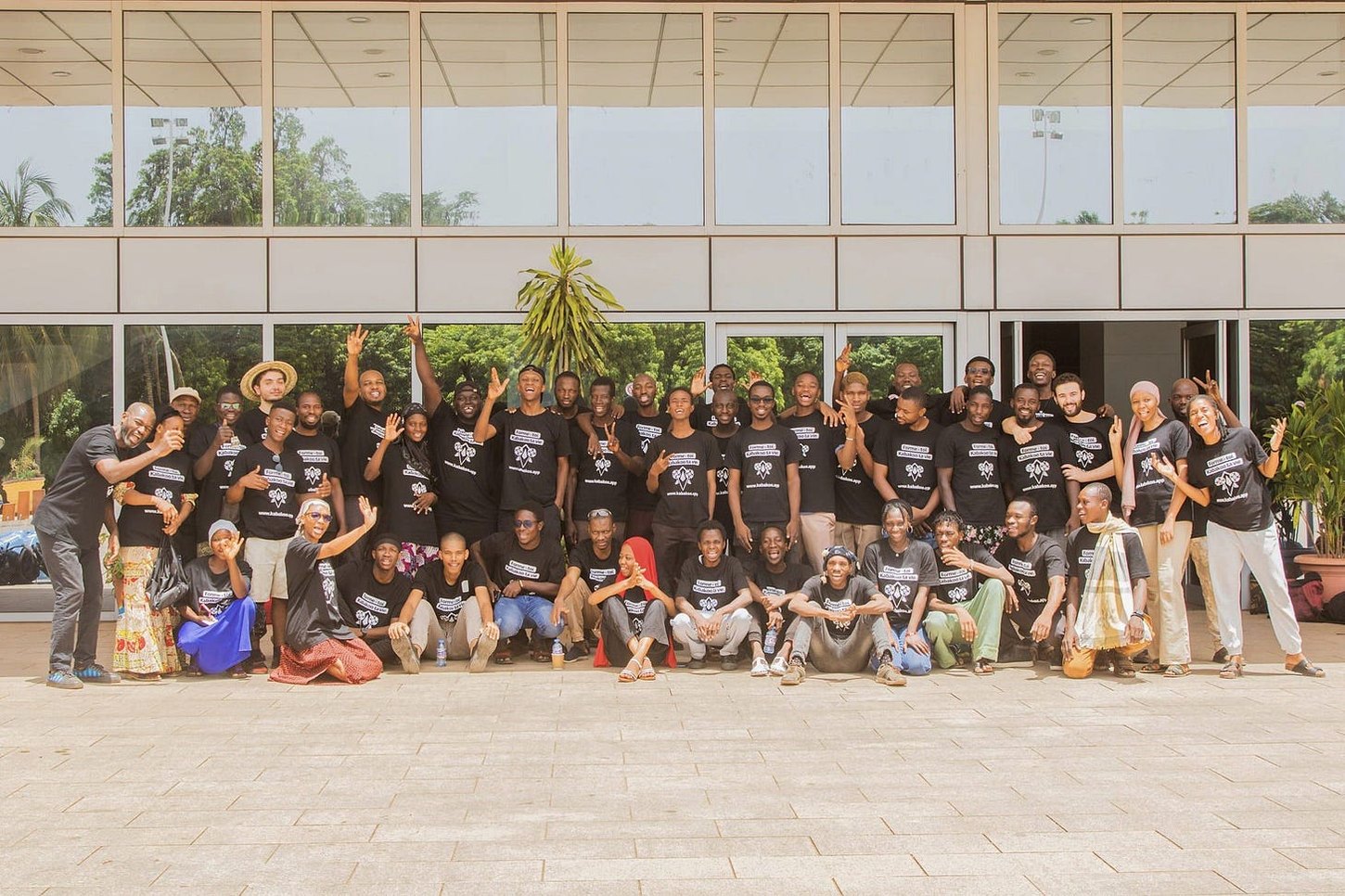
That update sits within a community-driven upskilling platform designed to help young people in West Africa develop the mindset and skills to improve their lives where formal jobs are missing. Its mindset-oriented modules include Learning to Learn and Visualization.
The mindset-oriented modules had also been redesigned. Kabakoo thanked Catherine and Richard for directing it to relevant research papers during that work, and reported that hundreds of learners had already engaged with the new version of the modules.
Send feedback after the learner’s response
Learners submit selfie-video responses in those modules, then receive personalised feedback from the AI-mentor via WhatsApp. User interviews indicate that learners spend an average of 2 to 3 hours working on a response for every chapter of the mindset-oriented modules.
Kabakoo always tells learners that they are interacting with its AI-mentor, not a human. Its qualitative analyses support the usefulness of the personalised feedback, including messages warmly thanking the mentor for its quality.
Keep relatives informed of milestones
Kabakoo also asks learners to name two relatives as “moral guarantors” for their learning journeys. In October, it automated WhatsApp messages to keep these relatives informed of major learner milestones.
Kabakoo’s hypothesis was that milestone updates would encourage socio-emotional support, reinforce participants’ identity as learners and lead to higher completion rates.
Track the interval between responses
Alongside engagement, Kabakoo examined the mean time difference between two learner responses. Receiving personalised feedback from the LLM-mentor was associated with a decrease in that interval. Kabakoo interpreted this as increased “stickiness” of the learning experience.
The engagement increase and shorter response interval are associations with the feedback update, not demonstrated causal effects. They describe learner participation, rather than establishing gains in employment or income.
At the time of the update, Kabakoo described its wider community as 21k+ registered learners. That is a registration figure: it should not be confused with a count of learners receiving the new feedback or completing a module.
For related implementation lessons, read what Kabakoo learned from building its WhatsApp support agent.